
Bichon Frise Puppy Care Guide
Welcome to Your New Best Friend
Congratulations on welcoming a Bichon Frise puppy into your family!
Bringing home a new puppy is an exciting milestone, and we’re here to help make the transition as smooth as possible. At Blessed Bichon Frise Puppies, we believe that every puppy deserves a loving home, proper care, and a healthy start to life. This guide will help you prepare for your puppy’s first days, weeks, and months at home.
Whether you’re a first-time puppy owner or have experience raising dogs, these recommendations will help your Bichon Frise grow into a happy, healthy, and well-mannered companion.
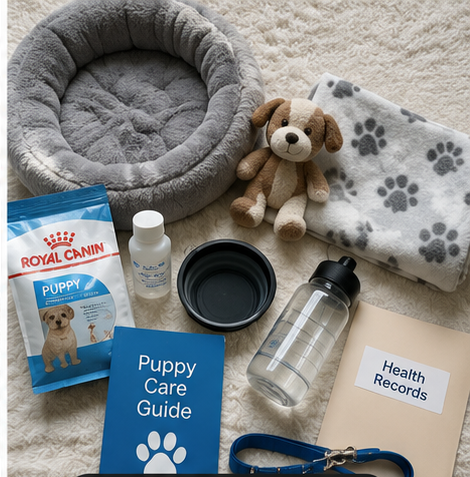
Preparing Your Home
Before bringing your puppy home, make sure you have everything ready.
Puppy Essentials
Food and water bowls
Comfortable puppy bed
Crate
Collar and leash
ID tag
Puppy toys
Grooming brush
Nail clippers
Puppy shampoo
Enzyme cleaner for accidents
Puppy treats
Creating a safe, quiet area where your puppy can rest will help them adjust more comfortably to their new surroundings.
The First Day Home
Your puppy may feel nervous after leaving their littermates and entering a new environment. This is completely normal.
During the first day:
Allow your puppy to explore at their own pace.
Introduce family members calmly.
Keep children supervised during interactions.
Offer fresh water.
Feed the same food your puppy has been eating.
Take your puppy outside frequently for potty breaks.
Provide plenty of rest.
Avoid overwhelming your puppy with visitors or too many new experiences on the first day.
Feeding Your Bichon Frise Puppy
A nutritious diet is essential for healthy growth.
We recommend feeding a high-quality puppy food formulated for small breeds.
Feeding Schedule
8–12 Weeks
3–4 meals daily
3–6 Months
3 meals daily
6–12 Months
2 meals daily
Always provide fresh, clean drinking water.
If you decide to change foods, transition gradually over 7–10 days to help avoid digestive upset.
Potty Training
Consistency is the key to successful house training.
Take your puppy outside:
First thing in the morning
After every meal
After naps
After play sessions
Before bedtime
Praise your puppy immediately after they eliminate in the correct location.
Avoid punishment for accidents. Instead, clean the area thoroughly and continue following a consistent routine.
Crate Training
A crate provides your puppy with a secure place to rest and can make house training easier.
Introduce the crate gradually by:
Placing soft bedding inside
Leaving the door open initially
Rewarding your puppy for entering voluntarily
Feeding meals near or inside the crate
The crate should always be a positive, comfortable space.
Exercise & Play
Although Bichon Frises are energetic and playful, young puppies should not be over-exercised.
Provide:
Short walks
Gentle playtime
Puzzle toys
Positive interaction
Mental stimulation
Avoid long walks or strenuous activities while your puppy is still developing.
Grooming Your Bichon Frise
Bichon Frises have beautiful coats that require regular maintenance.
We recommend:
Brushing several times each week
Bathing every 3–4 weeks or as needed
Professional grooming every 4–8 weeks
Regular ear cleaning
Nail trimming
Dental care with puppy-safe toothbrushes and toothpaste
Regular grooming keeps your puppy comfortable and helps prevent matting.
Socialization
The first few months are an important learning period.
Introduce your puppy gradually to:
New people
Friendly vaccinated dogs
Different environments
Household sounds
Car rides
Grooming
Positive experiences help your puppy develop confidence and good manners.
Veterinary Care
Continue regular veterinary visits to help keep your puppy healthy.
Your veterinarian will advise you on:
Vaccination schedule
Parasite prevention
Flea and tick prevention
Heartworm prevention
Spaying or neutering
Nutrition
Keep all veterinary records in a safe place.
Training Tips
Bichon Frises are intelligent and eager to learn.
Keep training sessions:
Short
Fun
Positive
Reward-based
Consistent
Teach basic commands such as:
Sit
Stay
Come
Down
Leave It
Walking on a leash
Early training helps establish good habits that last a lifetime.
Common Questions
How much sleep does a puppy need?
Young puppies may sleep 16–20 hours each day.
When can my puppy go outside?
Your veterinarian can advise when it is safe to visit public areas based on your puppy’s vaccination schedule.
How often should I groom my puppy?
Brush regularly and schedule professional grooming every 4–8 weeks.
What toys are best?
Choose soft chew toys, interactive toys, and puzzle toys designed for puppies.
Lifetime Breeder Support
When you adopt from Blessed Bichon Frise Puppies, you’re never alone.
We are happy to answer questions about feeding, grooming, training, behavior, and general puppy care long after your puppy joins your family.
Our commitment doesn’t end on adoption day—we’re here to support you throughout your puppy’s life.
Ready to Welcome Your Puppy?
Preparing for a new puppy is one of the best ways to ensure a successful transition.
If you’re still searching for your perfect companion, we invite you to browse our Available Puppies, learn more About Us, explore our Health Guarantee, and read through our Puppy Adoption Process.
We’re always happy to answer your questions and help you find the perfect Bichon Frise puppy for your family. Bichon Frise Puppy Care Guide – Contact us