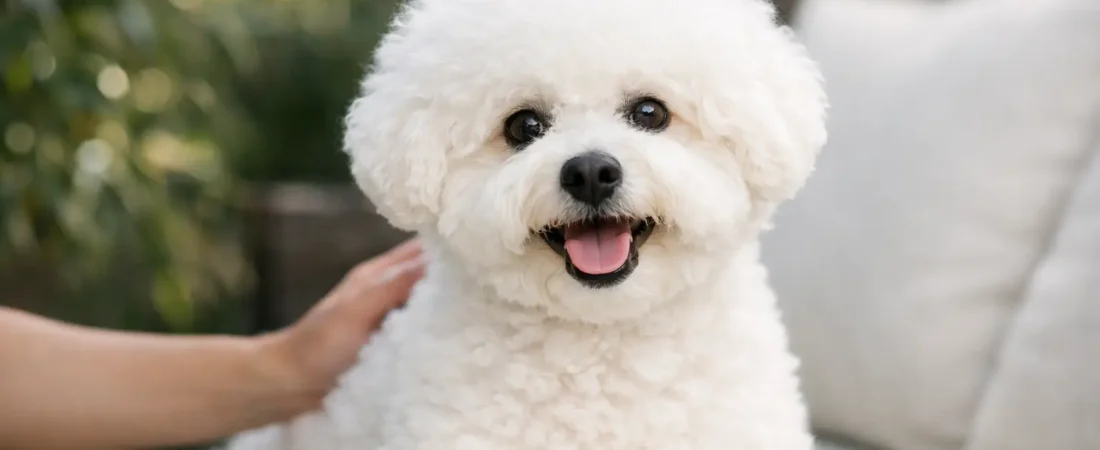
A Bichon Frise can light up a room without making much noise at all. One of the first things families notice about bichon frise temperament and personality is how naturally cheerful these dogs are. They tend to greet life, and the people in it, with bright curiosity, steady affection, and a strong desire to be close to their family.
That appealing nature is a big reason the breed has remained such a beloved companion dog. Still, personality is never just one simple trait. A Bichon is playful, but also sensitive. Friendly, but still in need of guidance. Adaptable, but happiest when included in daily family life. Understanding those layers helps you decide whether this breed is truly the right match for your home.
What bichon frise temperament and personality are really like
At their best, Bichon Frises are affectionate, social, and eager to connect. They are often described as happy little dogs, and that reputation is well earned. Most enjoy human attention, settle into family routines quickly, and form strong bonds with the people they live with.
They also tend to have a gentle charm that makes them especially appealing to first-time dog owners. Many are alert without being overly intense, playful without being too rough, and cuddly without becoming completely inactive. In the right home, a Bichon often becomes the dog who wants to be wherever the family is, whether that means relaxing on the couch, following you through the house, or joining in on playtime with the kids.
That said, a sweet temperament does not mean a Bichon raises itself. This breed thrives when it is treated like a real dog with structure, socialization, and consistent expectations. Without that foundation, even a naturally pleasant puppy can develop clingy habits, vocal behavior, or difficulty settling alone.
A companion breed through and through
If you are looking for an independent dog that prefers lots of personal space, a Bichon may not be your best fit. This breed was developed for companionship, and it shows in everyday life. Bichons usually want to be involved. They like eye contact, interaction, and reassurance.
For many families, this is exactly what makes the breed so special. A Bichon often feels deeply tuned in to the home. They tend to notice when someone is moving from room to room, when children are playing, or when a family member is settling down for the evening. Their social nature can make them feel like a true little household partner.
The trade-off is that they do not usually enjoy being left out of family life for long stretches. Some handle alone time better than others, especially when they are gradually taught confidence and routine from a young age. Even so, this is generally a breed that does best when people are around and engaged.
Are Bichons good with children?
In many cases, yes. Bichon Frises are often a wonderful fit for families with respectful children because they are playful, affectionate, and usually gentle in their interactions. Their smaller size can also make them less intimidating for younger kids.
As with any breed, success depends on supervision and teaching on both sides. Children need to learn how to hold, pet, and speak to a small dog kindly. The puppy also needs early positive experiences with different ages, voices, and activity levels. A well-socialized Bichon raised in a loving home environment often does very well in family settings.
Very young children should always be supervised around any small breed. Bichons are sturdy for their size, but they are still little dogs and can be injured by rough handling or accidental falls.
How they do with other pets
Many Bichons are naturally sociable and can live happily with other dogs. They often enjoy canine companionship, especially when introduced properly and given time to settle. Their friendly disposition can also help them adjust to homes with cats, particularly if they are exposed early and the introductions are calm.
Personality still matters on an individual level. Some puppies are more outgoing, while others are more observant at first. Early socialization plays a major role in helping a Bichon grow into a confident, polite companion around both people and animals.
Playful, but not overwhelming
One of the nicest things about the breed is its balance. Bichons are lively enough to be fun, but they are not usually so intense that they exhaust the household. They often enjoy short bursts of play, walks, and interactive games, then happily settle nearby.
This makes them a strong option for many different living situations. They can fit well with active retirees, couples, families, or individuals who want a companion dog without the demands of a high-drive working breed. They are adaptable, but not without needs. Daily interaction, movement, and mental stimulation still matter.
A bored Bichon may invent its own entertainment, and owners rarely enjoy the results. Light training sessions, play with toys, short walks, and simple enrichment around the home can go a long way.
Bichon Frise personality and trainability
Bichons are generally intelligent and eager to please, which gives them good training potential. They often respond very well to praise, repetition, and gentle consistency. Harsh handling is usually counterproductive with this breed. Because they are sensitive, they tend to learn best when training feels positive and clear.
This is one reason early puppy experiences matter so much. A puppy that is handled daily, exposed to common household sights and sounds, and gently introduced to routines often transitions into family life with more confidence. Home-raised puppies with thoughtful socialization usually have a stronger starting point when it comes to trust and adaptability.
House training is one area where owners need patience. Bichons are certainly capable of learning, but some take longer than people expect. That is not unusual for small breeds. A reliable schedule, frequent outdoor trips, praise for success, and close supervision indoors usually produce the best results.
Sensitivity and emotional awareness
A Bichon’s emotional sensitivity is part of what makes the breed so endearing. Many seem very responsive to the tone of the home. They often flourish in calm, predictable environments where expectations are clear and affection is abundant.
This sensitivity can also mean they do not respond well to chaos, inconsistency, or being ignored for long periods. If a home is very loud, very busy, or constantly changing, a Bichon may need extra support to feel secure. That does not mean they cannot adapt. It simply means their best personality tends to shine when they feel safe and included.
What future owners should know before bringing one home
The most common misunderstanding about this breed is assuming that a cheerful personality means easy in every way. Bichons are delightful, but they still require commitment. Their social nature means they need companionship. Their coat needs regular grooming. Their intelligence means they benefit from structure, not just affection.
For the right owner, those needs are very manageable and absolutely worth it. Families who want a loving, interactive, people-oriented dog often find the breed incredibly rewarding. If you enjoy a dog that wants to be part of your day, learns routines well, and brings a soft, happy energy into the home, a Bichon is easy to fall in love with.
For buyers working directly with a breeder, temperament should be part of the conversation from the beginning. Ask how the puppies are raised, how they are socialized, and what kind of daily handling they receive. A puppy’s early environment does not determine everything, but it plays an important role in helping natural breed traits develop in healthy ways.
At Blessed Bichon Frise Puppies, that early foundation matters because families are not just choosing a breed. They are welcoming a future companion into the center of their home.
Is a Bichon Frise the right personality match for you?
If you want a dog that is affectionate, family-oriented, playful, and generally adaptable, a Bichon Frise has a lot to offer. This breed tends to fit beautifully into homes where the dog will be included, guided, and loved as a true companion.
It may not be the best fit for someone who wants a highly independent pet or has very little time for interaction and routine. But for many families, couples, and individuals, the Bichon brings a lovely blend of sweetness, sociability, and everyday joy that is hard to match.
The best way to think about bichon frise temperament and personality is this: they are little dogs with big hearts, bright minds, and a strong desire to belong. When that is met with thoughtful care and a loving home, they often become the kind of companion people cannot imagine life without.